Is your workplace
recycling ready?

Most of us already recycle at home
From April 2027, all small businesses and other workplaces will need to have the right bins to separate different types of recycling from general waste.
This website will help you understand what the changes mean and how to prepare your workplace.
Helpful links
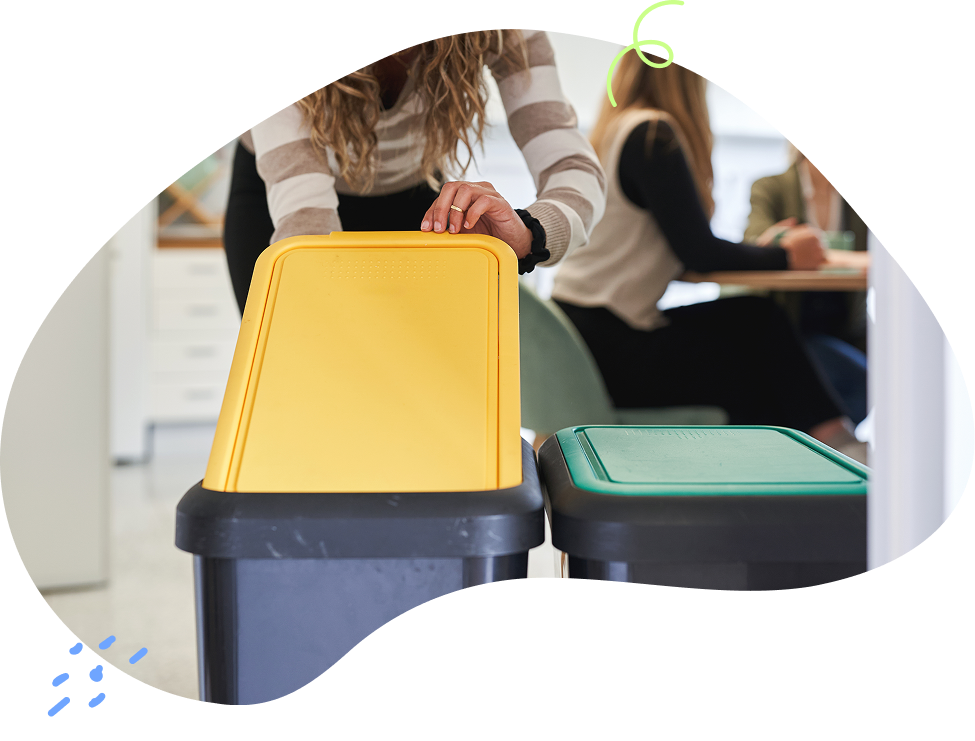
The rules at a glance
From 1 April 2027, microbusinesses in England will need to arrange for the separate collection of:
- Dry recyclables: Plastic, metal, glass, paper and cardboard
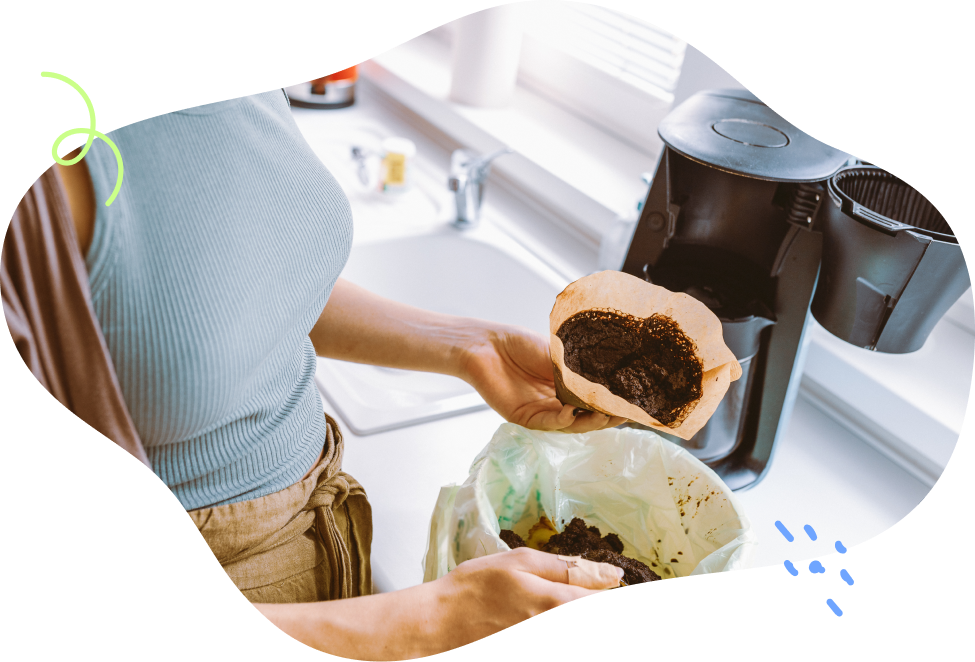
- Food waste: Any food waste your business produces, even in small amounts
- Garden waste: If your business generates garden waste, it must be collected for composting.
What do you need to do?
In simple terms, you need to have recycling collections in place for the main recyclable materials.
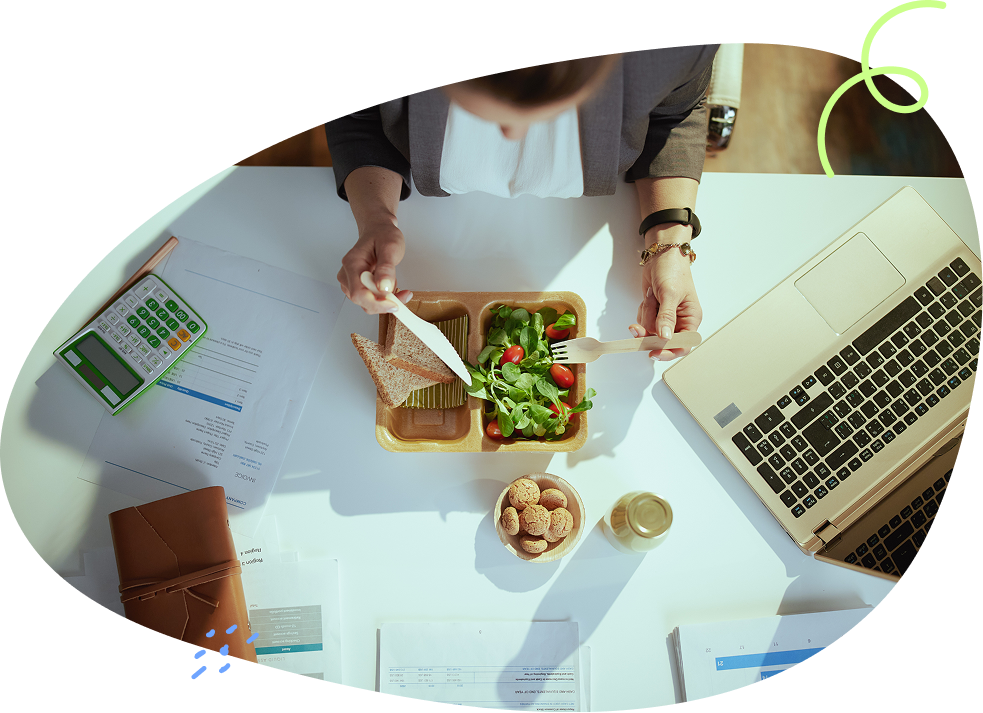
All workplaces need to separate out their dry recyclable materials and organic waste so that it can be collected for recycling.
This includes waste generated by:
- Your day-to-day business activities
- Employees while at work
- Customers and visitors
Who do these rules apply to?
The information on this website is aimed at microbusinesses.
A microbusiness can be:
- A limited company
- A sole trader
- A charity or voluntary organisation
- A public sector organisation, such as a parish council or community centre
A business or organisation is generally considered a microbusiness if it has fewer than 10 full-time equivalent employees. This is measured across the whole organisation, not just at a particular site.
What should be separated?
In simple terms, if you produce any of the following materials, you need to separate them from your general waste.
Dry Recyclables
Plastic
- Bottles
- Pots, tubs and trays
- Plastic film and wrapping (from 2030)
Metal
- Drinks cans
- Food tins
- Clean foil
Cartons
- Food and drink cartons (such as Tetra Pak® cartons)
Paper and cardboard
- Office paper
- Newspapers and magazines
- Cardboard packaging
Your waste collector will tell you whether paper and cardboard should be collected separately.

Food Waste
Examples include:
- Leftover meals
- Fruit and vegetable peelings
- Tea bags and coffee grounds
- Out-of-date food
Both cooked and uncooked food should be placed in the food waste container.

Garden Waste
If your business produces garden waste, it should be:
- Collected separately for recycling, or
- Composted on site (although there are rules you need to follow to do this)

Check if you’re recycling ready
We’ve developed a simple way to for you to understand what changes, if any, your business needs to make to meet the recycling rules.
Frequently Asked Questions
Businesses are expected to comply with the workplace recycling requirements. Regulators may take enforcement action where businesses fail to meet their legal obligations. For more information, see the official guidance.
No. Business waste should be managed through appropriate business waste arrangements. If you're unsure about your responsibilities, speak to your waste collector or refer to official guidance.
The requirements for microbusinesses take effect from 1 April 2027. However, many businesses are choosing to start recycling sooner to prepare for the changes and reduce waste.
The Environment Agency is responsible for regulating workplace recycling requirements and works alongside local authorities and other partners where appropriate.
Many microbusinesses are able to meet the requirements without needing a large number of bins. Speak to your waste collector about the options available. They can help you choose a solution that suits your space and the amount of waste you produce.
Costs will vary depending on the type and amount of waste your business produces and the services provided by your waste collector. Some businesses may need to purchase additional internal bins, but these are generally low-cost and can be used for many years.
Additional Resources
Official Government Guidance on the Simpler Recycling Rules for workplaces can be found here: Simpler recycling: workplace recycling in England - GOV.UK.
Additional, sector specific guidance on how to implement the rules is available from WRAP: Business of Recycling | WRAP.
You can also download posters and bin signage from WRAP to help make sure staff and customers/visitors use the bins correctly: Recycling resources.
The legislation that creates these rules can be found here: Environmental Protection Act 1990.
Details of the kinds of items that need to be recycled in each stream can be found here: The Separation of Waste (England) Regulations.
Find out about the rules on composting food and garden waste at work: T23: aerobic composting - GOV.UK and Using animal material in home, work or community compost heaps - GOV.UK



© 2026 Eunomia Research and Consulting | All Rights Reserved | mobiusagency.org.uk